Struggling with Pests? Goulburn Pest Control is your one stop shop to deal with a wide range of pests encountered in the Goulburn Region.
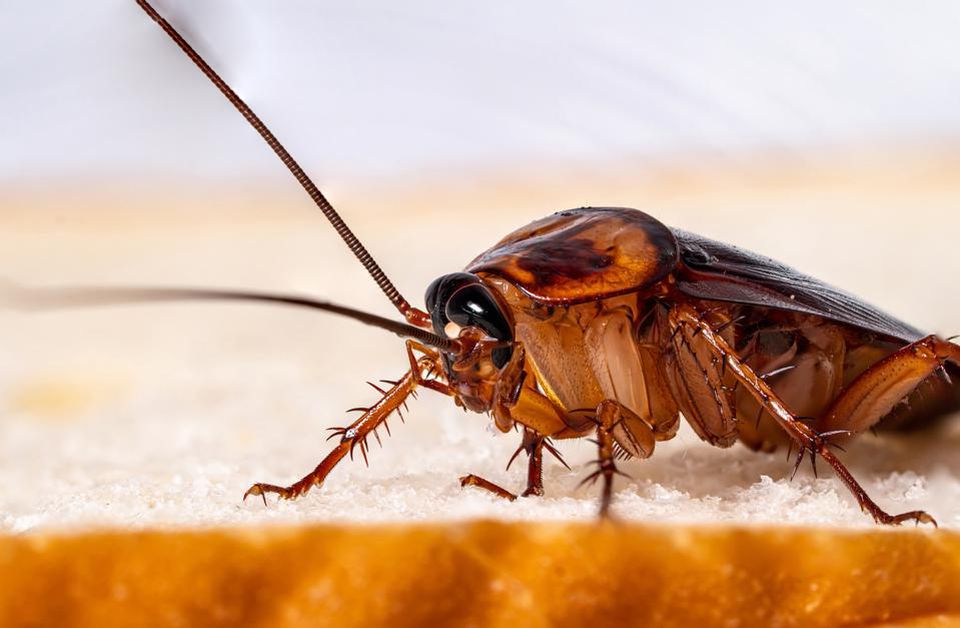
Cockroaches
Cockroaches are somewhat generalised insects without special adaptations like the sucking mouthparts of aphids and other true bugs; they have chewing mouthparts and are likely among the most primitive of living neopterin insects. They are common and hardy insects and can tolerate a wide range of environments from Arctic cold to tropical heat.
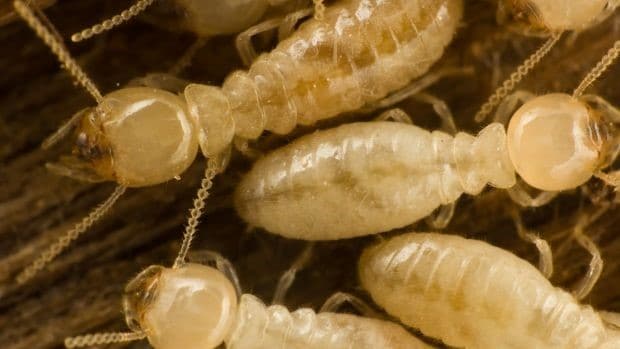
Termites
Termites are among the most successful groups of insects on Earth, colonising most landmasses except Antarctica. Their colonies range in size from a few hundred individuals to enormous societies with several million individuals. Termite queens have the longest known lifespan of any insect, with some queens reportedly living up to 30 to 50 years. Unlike ants, which undergo a complete metamorphosis, each individual termite goes through an incomplete metamorphosis that proceeds through egg, nymph, and adult stages. Colonies are described as superorganisms because the termites form part of a self-regulating entity: the colony itself.
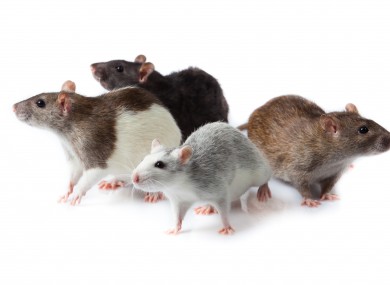
Rats and Mice
For numerous reasons, rats and mice are not easy to deal with. First, rats and mice have an exceptional sense of taste and smell. The stereotype of rats being unable to resist poisoned cheese is 100% false. They can detect food contaminants as low as 0.5 parts per million, which is practically nothing. Moreover, they are highly sensitive to motion up to 15 metres away. They are smart, nimble, agile, sensitive, small, and breed rapidly. They also like to operate in the dark and in enclosed spaces. Call us for rat control in the Goulburn Region if you believe you have an infestation. A classic rat trap simply won’t work.
Spiders
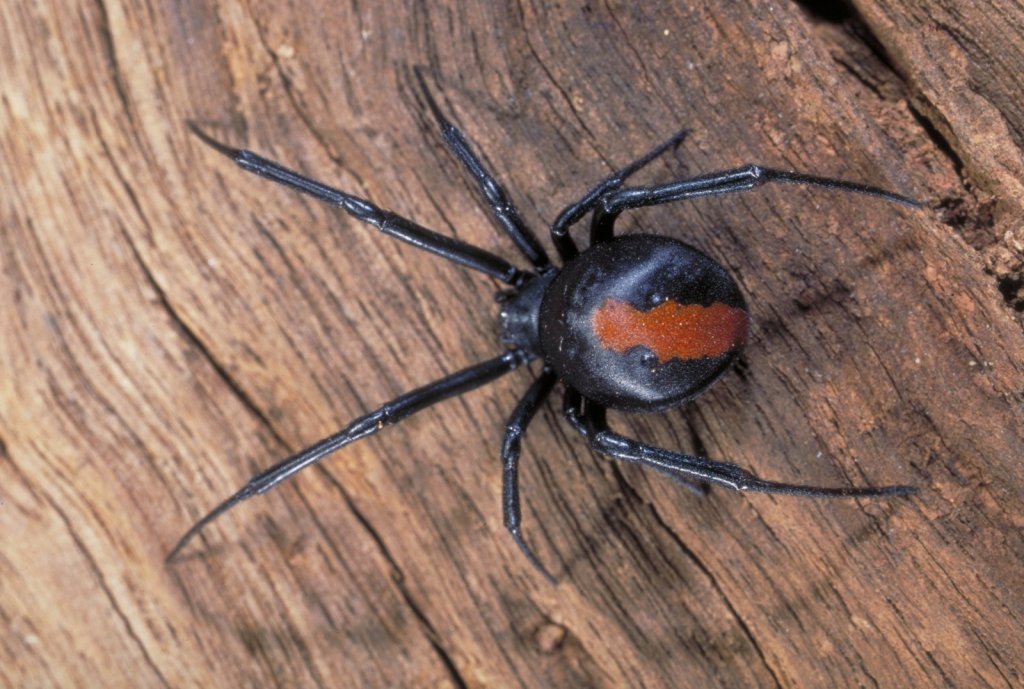
Australia has some of the most dangerous spiders in the world, some of which are found within the Goulburn Region. These creatures quite often set up shop in and around our homes as there is usually ample food available.
Ants
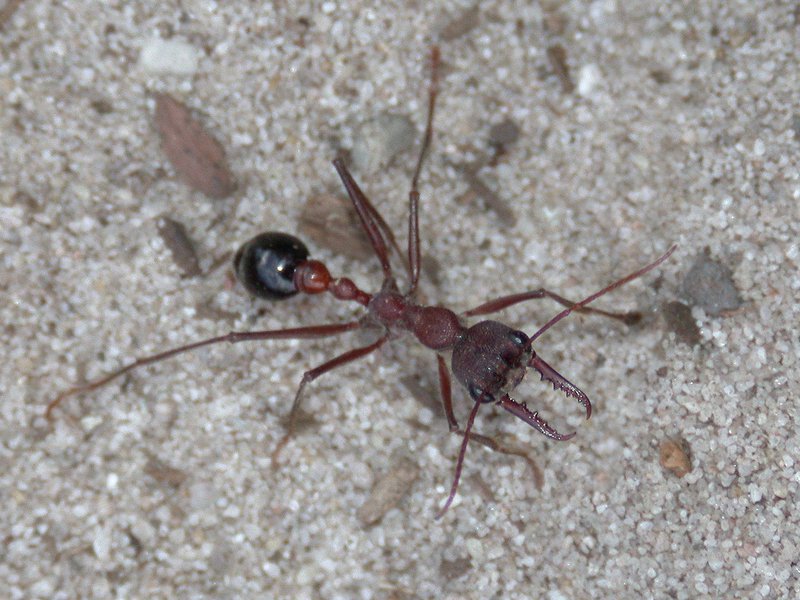
Ants form colonies that range in size from a few dozen predatory individuals living in small natural cavities to highly organised colonies that may occupy large territories and consist of millions of individuals. Larger colonies consist of various castes of sterile, wingless females, most of which are workers (ergates), as well as soldiers (dinergates) and other specialised groups. Typically not a problem, like spiders, ants can easily find their way into our homes, and cause havoc.
 Goulburn Pest Control